

Quick Answer
If your elderly parent struggles with an under bed light, try checking the power source, repositioning the motion sensor, and adjusting the brightness and auto shut off time before you replace it. Most problems come from low batteries, a blocked sensor, or settings that do not match the bedroom layout, not a broken light. A few minutes of repositioning and resetting often brings back a soft, useful glow for getting in and out of bed.
Why This Happens
Under bed lights rely on a small motion sensor and a light sensor working together, so placement matters a lot. If the sensor strip is pushed too far back, covered by bedding, a bed skirt, or storage boxes, it may not see feet hitting the floor. A sensor pointed at a wall or aimed too high can also miss movement, while one pointed toward a hallway may turn on too often.
Power is the next common cause. Battery models fade as batteries weaken, which can make the light dim, flicker, or stop turning on at all. Plug in strips can come loose if the adapter or extension cable is tugged by vacuuming or foot traffic, and some models will not turn on in a bright room because the built in light sensor thinks it is still daytime.
Settings and mounting also create frustration. A timeout set to only a few seconds can feel like the light never turned on, while a very dim setting may not help someone with low vision see the floor. Adhesive strips can loosen on dusty floors or carpet edges, so the light bar shifts, tilts, or falls and the sensor ends up facing the wrong direction. For more on how lighting choice affects bedroom safety, see this guide to the best motion sensor night light for osteoporosis.
Finally, an under bed light alone may not be enough if your parent needs support to stand or feels unsteady in the dark. Always check with a healthcare provider, physician, or occupational therapist before making safety changes for a senior in your care, especially if falls or balance concerns are part of the picture.
Practical Steps to Try
- Check power first. For battery lights, replace with fresh batteries and look for a low battery flicker alert if your model has one. For plug in LED strips, try unplugging and firmly reconnecting both the power adapter and the sensor connection, making sure the input and output are matched correctly, then confirm the outlet itself has power by trying another device.
- Reposition the sensor for better motion detection. Place the sensor or light bar near the side where your parent gets out of bed, with a clear line of sight to the floor where feet land. Keep it low, free from bedding or boxes, and away from direct heat sources or curtains that can confuse the sensor. If the light has a 100 to 120 degree detection range, angle it so movement within a few feet of the bed will be seen without pointing straight into a busy hallway.
- Adjust brightness, color, and timing settings. Try a warm, soft glow at a medium brightness that lights the floor without glare, then increase if your parent has trouble seeing edges. Set the auto shut off timer to at least 30 to 60 seconds so the light stays on long enough to stand and take a few steps, and use any dimming or app controls to fine tune levels at night.
- Clean and secure the mounting. Dust the floor or bed frame surface, wipe it dry, and press the adhesive or mounting strip firmly back into place so the LEDs face outward and evenly light the floor. If the strip was cut to fit, check that cut points are secure and the remaining section is still connected, and use cable clips to keep cords flat against the frame where they will not be stepped on or pulled.
- Control room light and test the routine at night. Close blackout curtains slightly or move a bright lamp that may be tricking the light sensor into thinking it is daytime, then walk through the normal nighttime path to see if the light turns on when feet touch the floor and turns off after you leave. If it works for you but not for your parent, try lowering the sensor a bit or moving it closer to their usual exit side, since a slower or smaller movement may need a more sensitive position.
When a Product Can Help
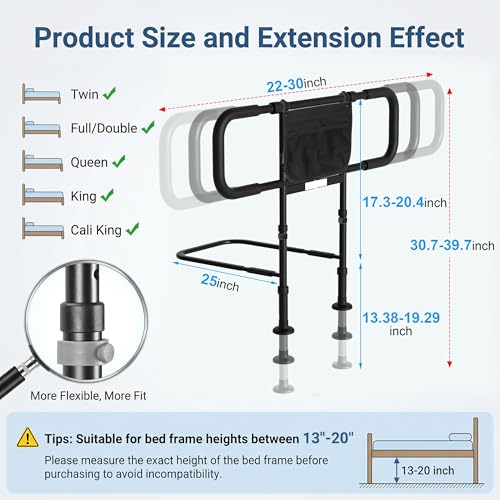
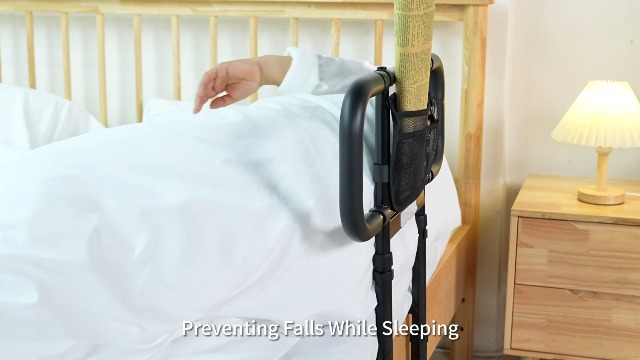
Try the fixes above first, but consider a different type of product if the under bed light works yet your parent still feels unsteady, needs to pull up to stand, or worries about rolling out of bed. In that case, a supportive bed rail with its own motion activated light may help reduce the risk of stumbles by combining a steady handhold with floor level illumination, rather than relying on floor glow alone. One option caregivers often consider is the Bed Rails for Seniors With Osteoporosis approach that pairs stability and light. If you decide a rail could help, this is one practical option to review with your family:
This guide contains affiliate links, and we may earn a commission if you buy through them, at no extra cost to you.

Bed Rail for Elderly Adults Safety with Motion





As an Amazon Associate we earn from qualifying purchases. Product prices and availability are accurate as of the date/time indicated.
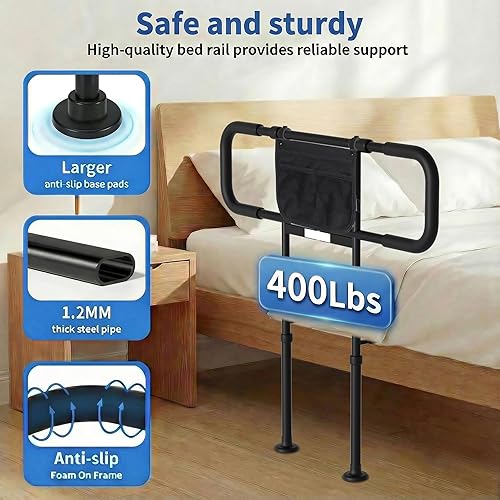
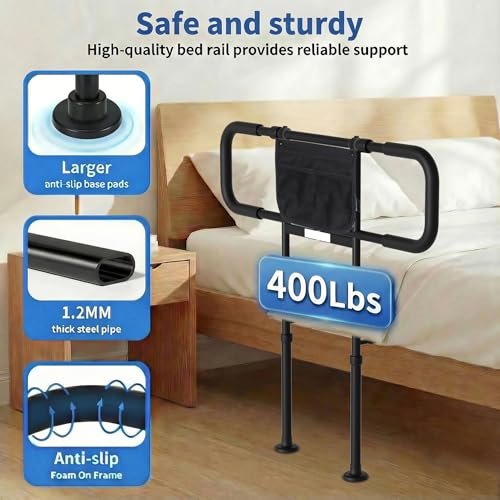
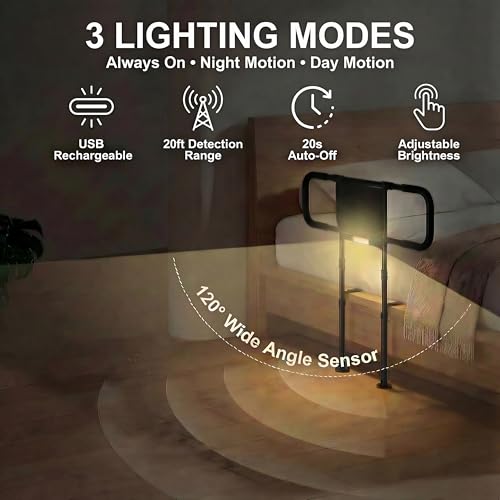
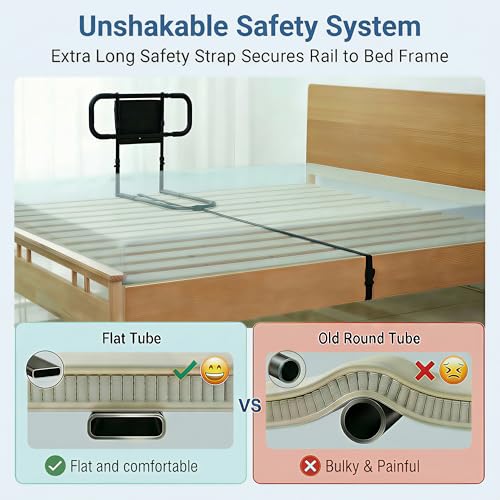
This type of rail is described as having a 120 degree motion sensor that auto illuminates when feet touch the floor, a heavy duty steel frame rated to hold up to 400 lbs, and height adjustment from 13 to 20 inches with retractable support rods for stability. It is also noted for tool free assembly by sliding under the mattress and securing with a strap, plus a storage organizer for glasses or a phone. As with any bed rail, confirm fit with your mattress size and bed frame type before use.
When to Talk to a Professional Instead
A home fix is not ideal for every situation, and some signs mean you should pause and get guidance. If your parent has had frequent falls, new unsteadiness, vision changes, or confusion at night, or if they have had a recent surgery or hospital stay, talk with a doctor, physical therapist, or occupational therapist before adding or changing bedroom safety equipment.
This product is not the right choice if the bed is an adjustable base that the rail is not designed to fit, if the mattress is very low or very thick and cannot be secured to the frame, or if your parent tends to climb over rails or gets tangled in bedding. In those layouts, a rail is not recommended for use and may create new risks, so a professional can suggest alternatives like a different bed height, floor level lighting plan, or other supports. You can also compare other designs in this carex bed rails review for elderly to understand fit and feature differences.
If you are unsure whether a rail, a different light, or another change is best for your home, bring photos and measurements of the bed, floor, and bedroom path to your appointment. A healthcare provider can help you weigh what may help reduce risk without promising that any single product will remove all risk of a fall.
Frequently Asked Questions
Why does the under bed light not turn on when my parent gets up at night?
Try checking if the light sensor thinks the room is still bright, and make sure the motion sensor has a clear view of where feet land. Try replacing batteries or reseating the power adapter, then reposition the sensor closer to the exit side of the bed and walk the path again in the dark.
Why does the light flicker, stay on too long, or turn off too fast?
Flickering often points to low batteries or a loose connection, so try fresh batteries or a firm reconnection of the adapter and sensor cable. If timing feels off, try adjusting the auto shut off setting to 30 to 60 seconds or more, and move the sensor away from heat vents or curtains that can cause repeated triggers.
Should we replace a dim under bed light with a much brighter one?
Not always, since a very bright light can cause glare and make it harder to see after it turns off. Try increasing brightness one step at a time and choosing a warm, diffused glow that lights the floor evenly, and consider whether a handhold for standing would be more helpful than extra brightness alone.
Browse more picks in our Bedroom Fall Prevention category, or see our related guide on Osteoporosis Bed Rails We Recommend for 2026.






Write Your Review
No reviews yet. Be the first to share your experience!